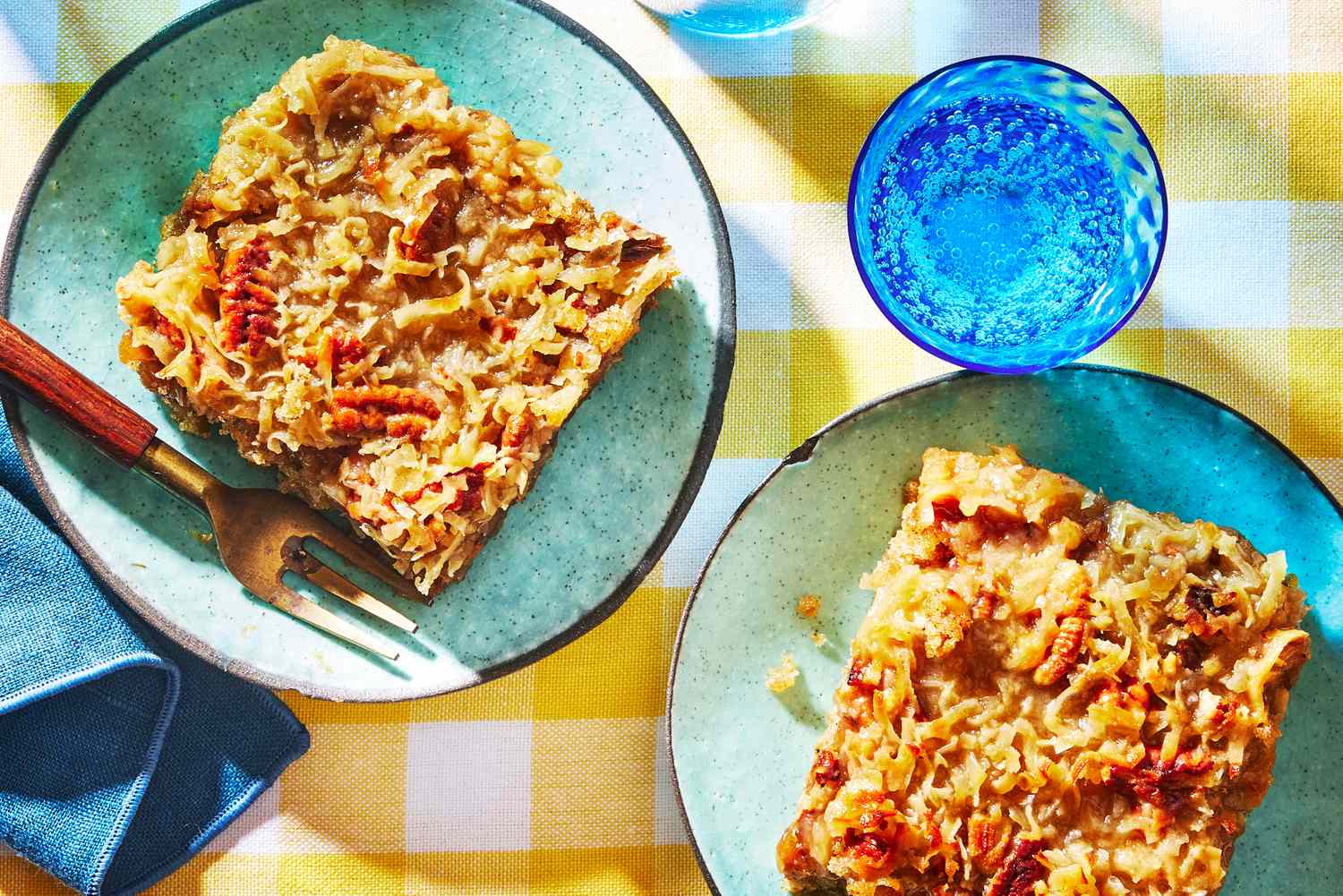
Why Lazy Daisy Oatmeal Cake is the Ultimate Comfort Bake
In the vast world of desserts, few confections evoke such a profound sense of nostalgia and cozy contentment as the lazy daisy oatmeal cake. This isn't just a cake; it's a warm embrace in edible form, a beloved retro bake that has graced tables for generations, consistently delivering a moist, hearty crumb crowned with an unforgettable, gooey coconut-pecan topping. From its humble origins to its enduring popularity, the lazy daisy oatmeal cake stands as a testament to the power of simple ingredients transformed into something truly extraordinary.
Imagine a dessert that's both deeply satisfying and deceptively easy to prepare. That's the magic of this cake. The base, enriched with old-fashioned oats, promises a wonderfully tender and soft texture, while the unique broiled glaze undergoes a delicious alchemy, emerging from under the broiler as a golden, caramelized layer—chewy, nutty, and utterly irresistible. It’s the kind of cake that doesn't just fill a craving; it fills a home with warmth and wonderful aromas, making it the quintessential comfort bake for any occasion.
The Enduring Charm of Lazy Daisy Oatmeal Cake
What is it about the lazy daisy oatmeal cake that makes it a timeless classic? Perhaps it's the perfect harmony between its wholesome, spiced oat base and the rich, indulgent topping. Each bite offers a delightful contrast: the tender, subtly spiced cake yielding to the sweet, nutty, and slightly crispy texture of the broiled coconut and pecans. It's a balance that appeals to every palate, making it a guaranteed crowd-pleaser.
Unlike some overly complicated desserts, the lazy daisy oatmeal cake champions simplicity without sacrificing a speck of specialness. It relies on everyday pantry staples, requiring no obscure ingredients or advanced baking techniques. This accessibility is a huge part of its charm. Yet, despite its straightforward preparation, the results always feel celebratory and deeply satisfying. Whether served slightly warm, allowing the topping to remain soft and gooey, or cooled completely for a chewier, set glaze, its appeal remains undeniable. It’s the kind of dessert that sparks conversations and earns requests for the recipe, cementing its place as a beloved family tradition.
A Sweet Slice of History: The Origins of Lazy Daisy
The story of the lazy daisy oatmeal cake is as comforting as the cake itself, deeply rooted in a pivotal era of American history. This charming dessert first rose to widespread popularity in the 1920s and 1930s, a period marked by the challenges of the Great Depression. During these lean years, resourceful homemakers sought out recipes that were both economical and nourishing, relying on affordable, readily available ingredients.
Oats, being an inexpensive and filling staple, became a star ingredient in many Depression-era recipes, including this cake. The clever combination of simple cake batter with a surprisingly decadent broiled topping offered a touch of luxury without demanding expensive or fancy techniques. The playful name, "Lazy Daisy," itself hinted at the cake's ease of preparation, a welcome attribute for busy homemakers managing household budgets and daily chores. Its straightforward nature allowed it to become a go-to recipe for everything from everyday family meals to church socials and potlucks. Early recipes, such as one promoted by the Snowdrift shortening company in newspaper ads during the early 1920s, helped cement its place in American culinary lore. Over the decades, the lazy daisy oatmeal cake transcended its utilitarian origins, evolving into a cherished nostalgic classic that continues to bring joy to tables today. To delve deeper into its fascinating journey, explore From Depression-Era Staple to Modern Classic: Lazy Daisy Cake.
Crafting Comfort: Key Ingredients for the Perfect Lazy Daisy Oatmeal Cake
The beauty of the lazy daisy oatmeal cake lies in its reliance on common ingredients, each playing a crucial role in its overall perfection. Understanding the importance of each component ensures a truly exceptional bake.
For the Cake Base:
- Rolled Oats (Old-Fashioned): This is non-negotiable. Old-fashioned oats provide the ideal texture, contributing to a hearty yet tender crumb. Quick oats or instant oats will break down too much, resulting in a mushy cake. The crucial first step is hydrating them with boiling water; this softens them perfectly, ensuring they integrate smoothly into the batter without drying it out.
- All-Purpose Flour: The structural backbone. Measure it carefully, preferably by weight if possible, or use the spoon-and-level method to avoid a dense cake.
- Baking Soda: The leavening agent. Always check its freshness; stale baking soda will compromise the cake's rise and result in a flat, heavy texture.
- Spices (Cinnamon & Nutmeg): These add a subtle warmth that complements the oats and enhances the overall comfort factor. Use them judiciously; a light hand ensures they enhance rather than overpower the delicate flavor profile and the star topping.
- Salted Butter: Softened butter creams beautifully with sugar, incorporating air and creating a lighter, more tender cake. Using salted butter also adds a touch of balance to the sweetness.
- Sugars (Granulated & Light Brown): The combination provides a balanced sweetness and moisture. Light brown sugar also imparts a subtle caramel note and helps keep the cake moist.
- Vanilla Extract: Essential for rounding out the flavors. Whether you prefer pure or artificial, ensure it’s a quality extract.
- Eggs (Large, Room Temperature): Room temperature eggs emulsify better with the butter and sugar, creating a smoother, more homogenous batter. This prevents curdling and contributes to a finer crumb.
- Nonstick Cooking Spray: A generous coating is vital. The oat-rich batter can be prone to sticking, so don't skimp on this step.
For the Irresistible Topping:
- Salted Butter: This forms the rich, buttery base of the topping. Cold is fine as it will be melted.
- Light Brown Sugar: Provides deep sweetness and a chewy texture once broiled.
- Sweetened Condensed Milk: This is the secret to the topping's signature gooeyness and slight chewiness. Do NOT substitute with evaporated milk; they are very different products.
- Sweetened Flaked Coconut: The star of the topping. Larger flakes offer more texture and chew, adding to the delightful mouthfeel.
- Pecans: Toasted pecans are a game-changer. Lightly toasting them in a dry skillet beforehand amplifies their nutty flavor, adding depth and complexity to the topping.
Mastering the Magic: Tips for Baking Your Lazy Daisy Oatmeal Cake
Baking a lazy daisy oatmeal cake is a joyous process, and a few key steps and insights can elevate your results from good to absolutely legendary.
Preparation is Key
- Pan Perfection: Start by thoroughly coating your 13x9-inch baking pan with nonstick spray. This cake, due to its oat content, can be quite clingy, so don't skimp. Crucially, ensure your pan is broiler-safe, as the topping is finished under direct heat.
- Oat Hydration: The boiling water step is more than just dissolving; it's about softening the rolled oats to their ideal tender state. Combine them and let them sit for at least 5-10 minutes. This pre-soak prevents them from absorbing too much moisture from the cake batter during baking, ensuring a moist cake.
- Room Temperature Ingredients: As mentioned, this is paramount for eggs and butter. It ensures a smooth, well-emulsified batter that bakes evenly and achieves the perfect texture.
Baking the Cake
Follow your recipe's instructions for mixing the wet and dry ingredients carefully. Avoid overmixing once the flour is added, as this can develop the gluten too much, leading to a tough cake. Pour the batter into your prepared pan and bake at 350°F (175°C) until a wooden skewer or toothpick inserted into the center comes out clean. The cake should be golden brown and spring back lightly when touched.
The Star Topping: Broiling for Perfection
This is where the lazy daisy oatmeal cake truly distinguishes itself. While the cake is still warm (or even directly after baking, if the pan is broiler-safe and the cake is baked through), prepare the topping. Combine the melted butter, brown sugar, sweetened condensed milk, coconut, and toasted pecans. Spread this mixture evenly over the warm cake, ensuring it covers the entire surface.
Now, for the magic: slide the cake under a preheated broiler. This step requires your undivided attention. Broilers vary greatly in intensity, and the topping can go from perfectly golden and bubbly to burnt in mere seconds. Keep the oven door slightly ajar and watch it like a hawk. You're looking for a beautiful, even golden-brown caramelization, with the coconut and pecans lightly toasted. This transformation creates that signature chewy, slightly crisp, and utterly delicious layer, akin to the iconic frosting on a German chocolate cake. For a deeper dive into perfecting this crucial step, check out Master the Classic Lazy Daisy Oatmeal Cake & Its Iconic Topping.
Serving and Storage
For the ultimate comfort experience, serve your lazy daisy oatmeal cake slightly warm. This allows the topping to remain wonderfully gooey and soft. However, it's equally delicious cooled completely, when the topping sets into a rich, chewy, and slightly crunchy layer. The cake stores beautifully at room temperature for a few days, though the topping will become progressively crunchier – which, as many fans will tell you, isn't a bad thing at all!
Conclusion
The lazy daisy oatmeal cake isn't just a dessert; it's a culinary hug, a piece of edible history, and a testament to the timeless appeal of well-crafted comfort food. Its harmonious blend of a moist, spiced oat cake and an irresistible broiled coconut-pecan topping creates an experience that's both deeply satisfying and wonderfully memorable. Whether you're baking it for a family gathering, a quiet Sunday supper, or simply to treat yourself, this retro bake promises to deliver warmth, nostalgia, and pure deliciousness with every single slice. It truly is the ultimate comfort bake, deserving a permanent spot in your kitchen and your heart.
