From Depression-Era Staple to Modern Classic: The Enduring Appeal of Lazy Daisy Cake
In the vast lexicon of classic American desserts, few evoke such a strong sense of nostalgia and comfort as the lazy daisy oatmeal cake. This unassuming yet utterly delightful bake transcends mere sustenance, offering a sweet journey back to simpler times. With its tender, spiced oat base and a gloriously gooey, broiled coconut-pecan topping, it’s a cake that promises satisfaction in every bite. Far from being forgotten, this retro gem is experiencing a well-deserved renaissance, proving that true classics never truly fade. The lazy daisy oatmeal cake isn't just a dessert; it's a testament to ingenuity and the enduring power of delicious, unpretentious food. It’s the kind of cake that makes you want to curl up with a cup of coffee, perfect for sharing at a family gathering, or simply enjoying a quiet moment of indulgence. Its charm lies in its simplicity and the remarkable transformation of humble ingredients into something truly special.A Glimpse into the Past: The Resilient History of Lazy Daisy Cake
To truly appreciate the lazy daisy oatmeal cake, one must understand its origins. This cake rose to prominence during a period of immense hardship: the 1920s and 1930s, specifically the Great Depression. During this challenging era, economic constraints forced homemakers to become incredibly resourceful. Fancy ingredients and elaborate techniques were luxuries few could afford. Instead, kitchens relied on pantry staples that were both economical and nourishing. Oats, a readily available and inexpensive grain, became a cornerstone of many meals and desserts. They added substance and heartiness, making dishes more filling. The beauty of the lazy daisy oatmeal cake lay in its clever use of these affordable ingredients. Its base was built from oats, flour, and simple spices, while the topping, though decadent, utilized readily accessible items like butter, brown sugar, coconut, and pecans. The whimsical name, "Lazy Daisy," is believed to reflect the cake's ease of preparation. It didn't demand complex methods or endless hours in the kitchen, making it a go-to for busy homemakers who needed to stretch ingredients and time. The "lazy" aspect referred to the cake’s unfussy nature, allowing even novice bakers to achieve delicious results. Initially popularized through newspaper ads, notably by the Snowdrift shortening company in the early 1920s, the recipe quickly spread. It became a fixture at church socials, community potlucks, and family gatherings, evolving into a beloved symbol of comfort and togetherness. Its history is a poignant reminder of how necessity can be the mother of culinary invention, creating lasting traditions that continue to delight generations.What Makes the Lazy Daisy Oatmeal Cake a Timeless Treat?
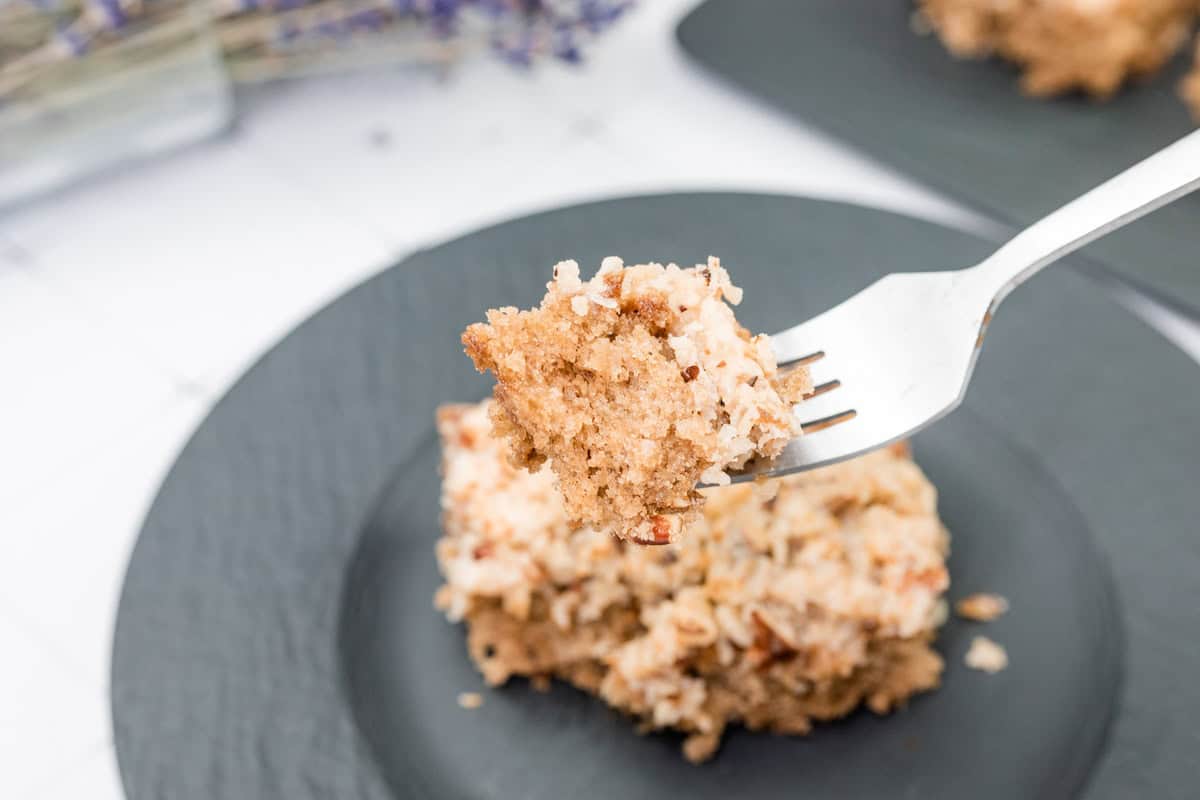
The enduring popularity of the lazy daisy oatmeal cake isn't just about its nostalgic appeal; it's about an expertly balanced combination of textures and flavors that are simply irresistible. At its heart, the cake is a masterclass in comfort food design. * The Moist, Tender Crumb: The star ingredient, rolled oats, plays a crucial role in the cake's texture. When soaked in boiling water, the oats soften and release their natural starches, contributing to an incredibly moist and tender crumb that defies dryness. The subtle spice blend of cinnamon and nutmeg adds warmth and depth, complementing the earthy notes of the oats without overpowering them. This sturdy yet soft base provides the perfect canvas for what comes next. * The Magic of the Broiled Topping: While the oat cake itself is delightful, the crown jewel is undoubtedly its unique topping. Unlike a traditional frosting, this isn't spread after cooling. Instead, a rich mixture of butter, brown sugar, sweetened condensed milk, flaked coconut, and pecans is generously poured over the warm cake and then briefly broiled. This short stint under the broiler is where the magic happens. The sugars caramelize, the coconut toasts to a golden hue, and the pecans become fragrant and nutty, creating a glistening, chewy, and utterly addictive layer. This toasted, gooey glaze is often compared to the frosting found on a German chocolate cake, offering a similar depth of flavor and satisfying texture. As the cake cools, this topping sets, becoming delightfully crisp on the surface while remaining tender and chewy underneath. You can explore this unique topping further in Master the Classic Lazy Daisy Oatmeal Cake & Its Iconic Topping. The contrast between the soft, warm cake and the sweet, slightly crunchy, caramelized topping is what elevates the lazy daisy oatmeal cake from a simple bake to a truly memorable dessert. It’s a sensory experience that delivers coziness and indulgence in every forkful, embodying the very essence of why Why Lazy Daisy Oatmeal Cake is the Ultimate Comfort Bake.Crafting Your Own Lazy Daisy Oatmeal Cake: Key Ingredients and Tips
While the lazy daisy oatmeal cake is renowned for its ease, paying attention to a few key details and ingredients will ensure your cake is nothing short of spectacular. Here’s a breakdown of essential components and expert tips:For the Cake Base:
- Rolled Oats (Old-Fashioned): This is non-negotiable. Quick oats will break down too much, resulting in a mushy texture. Old-fashioned oats retain their structure, contributing to that characteristic tender crumb.
- Boiling Water: It’s crucial to use fully boiling water to soak the oats. This properly hydrates and softens them, preventing a dry or dense cake. Warm water simply won't do the trick.
- Flour & Baking Soda: Measure your all-purpose flour precisely by spooning it into the measuring cup and leveling it off. Too much flour can lead to a dense cake. Ensure your baking soda is fresh; stale leavening agents will prevent your cake from rising properly. You can test its freshness by adding a pinch to a small amount of vinegar; if it bubbles vigorously, it's good to go.
- Butter & Eggs (Room Temperature): Softened butter creams better with sugar, creating air pockets that contribute to a lighter cake. Room temperature eggs emulsify more smoothly into the batter, preventing curdling and ensuring a consistent texture.
- Spices: Cinnamon and nutmeg are traditional. Be mindful not to overdo the nutmeg, as its flavor can quickly dominate. A light hand is all that's needed to add warmth.
For the Irresistible Topping:
- Sweetened Condensed Milk: This is vital for the topping’s gooey, caramelized texture. Do NOT substitute with evaporated milk; they are entirely different products with distinct sugar and fat content.
- Sweetened Flaked Coconut: Larger flakes offer more chew and texture to the topping, which is desirable.
- Pecans: Lightly toasting your pecans in a dry skillet before adding them to the topping mixture will significantly enhance their nutty flavor and aroma. Be careful not to burn them.
- Broiler-Safe Pan: Since the topping is broiled directly on the cake, ensure your baking dish (typically a 13x9-inch pan) is broiler-safe. Glass pans are often not recommended for direct broiler heat as they can crack. Metal or ceramic pans designed for high heat are safer choices.
When broiling the topping, stay vigilant! The transition from perfectly golden and bubbly to burnt can happen in a matter of seconds. Keep the oven door slightly ajar and watch it closely, rotating the pan if necessary for even browning.
